Claude Code designs are boring
When I was a kid, I loved whipped cream, almost an unreasonable love. One day, I put so much of it on my ice cream that it made me sick. It took me fifteen years before I could eat it again.
I’m rediscovering exactly this feeling today, on a completely different level: interfaces.
Over the past twelve months, I have used Claude, Claude Cowork and Claude Code a lot. The power of these tools is incredible, the possibilities are almost infinite, the cost perceived by the user is close to zero compared to traditional development, and time contracts: from several weeks to a few minutes.
For a developer, it is an exhilarating experience to explore. For a non-technical profile discovering the tool, it is simply magic: it allows you to transform an idea into a visually solid application.
Vibe coding has not disappeared, it has become democratized
In the field of agentic development, several players are fighting for territory, but two of them managed to capture a very important share of the activity: OpenAI Codex and Anthropic’s Claude Code. Unlike GitHub Copilot, these tools allow you to do what is called vibe coding: transforming a textual intention into code.
Contrary to what I thought in a previous analysis, vibe coding has not disappeared. On the contrary, it spread as the usage of these tools got democratized among the general public.
A radar for spotting an interface signed Claude Code
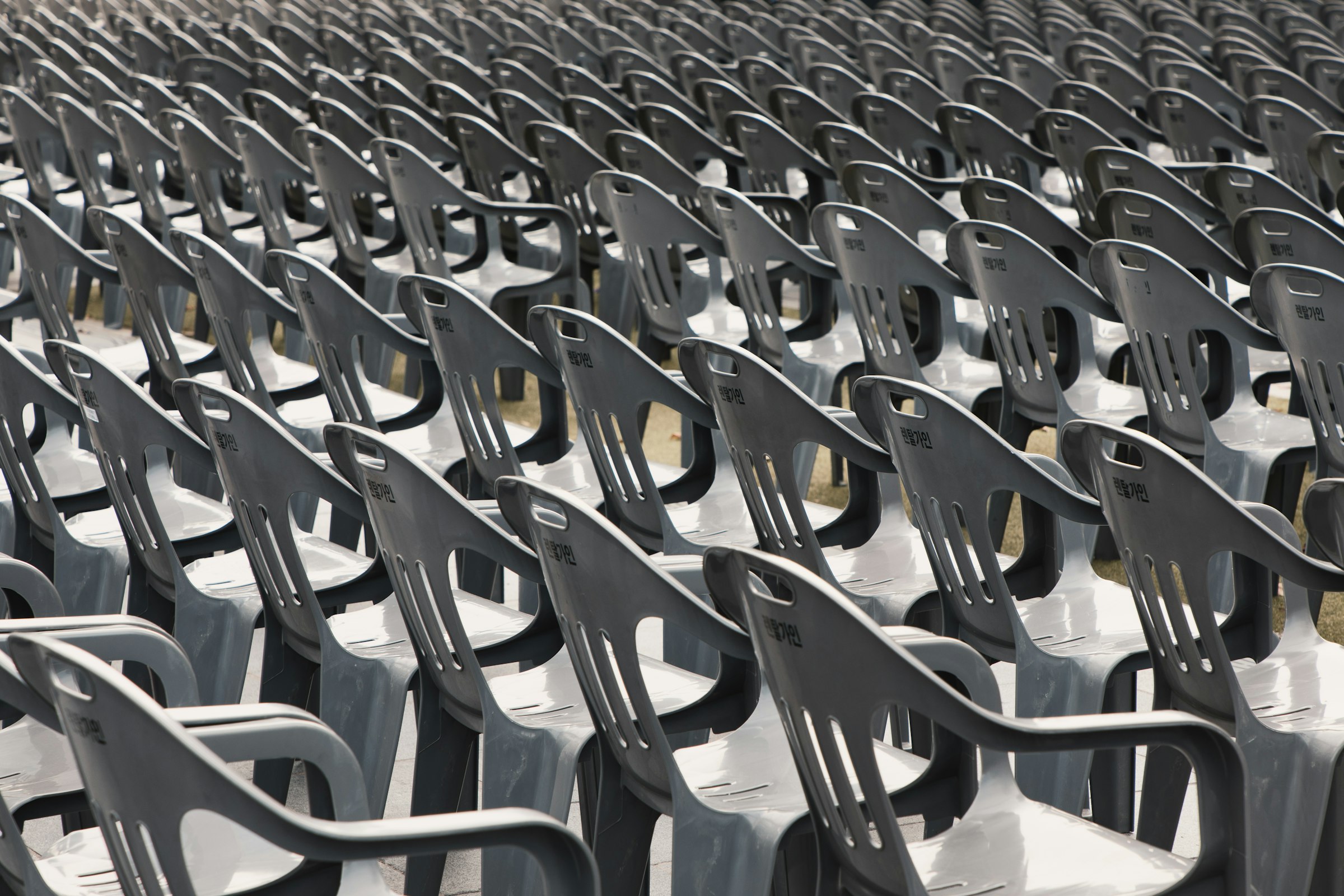
The consequence of this massive usage of the same tools to produce interfaces is that we reach a global homogeneity of UIs. The designs all look alike.
I developed a kind of mental radar for that. Most of the time, it is very simple to identify an interface developed with Claude Code: it systematically repeats the same codes, the same logic, similar designs. It is a bit like an accent that you recognize and that allows you to identify a person.
When I talk about interface, I do not mean only applications, but also documents, like PowerPoint. I do not know if I am the only one in this case, but systematically, in this situation, my brain screams watch out, with a big warning: this content was generated by an AI. You generally find in it everything that characterizes AI slop.
The overdose
I have reached a point where this kind of design makes me sick. They have no soul, no originality, no texture, no personality. They are sad.
This homogeneity is not just a question of taste, it has concrete consequences.
First, trust. As soon as I spot the codes of Claude Code on an interface, my vigilance changes register: I start looking for the signals of AI-produced content, as if I had to verify what I am seeing. A user who makes the same connection loses a bit of trust in the product, even if the substance is solid.
Then, differentiation. A brand, a product, is normally recognized by its interface as much as by its offer. When dozens of applications share the same templates, the same cards, the same gradients, this visual identity disappears. Two competing products can become visually interchangeable.
And finally, there is the devaluation of the designer’s work. If anyone can get a visually correct result in a few minutes, the requirement for real art direction, research, personality, becomes secondary. The result is clean, functional, but anonymous.
To all my graphic designer, designer and interface creator friends: hold on, your expertise remains, and will remain, indispensable.