Reading Orwell - What Animal Farm told me
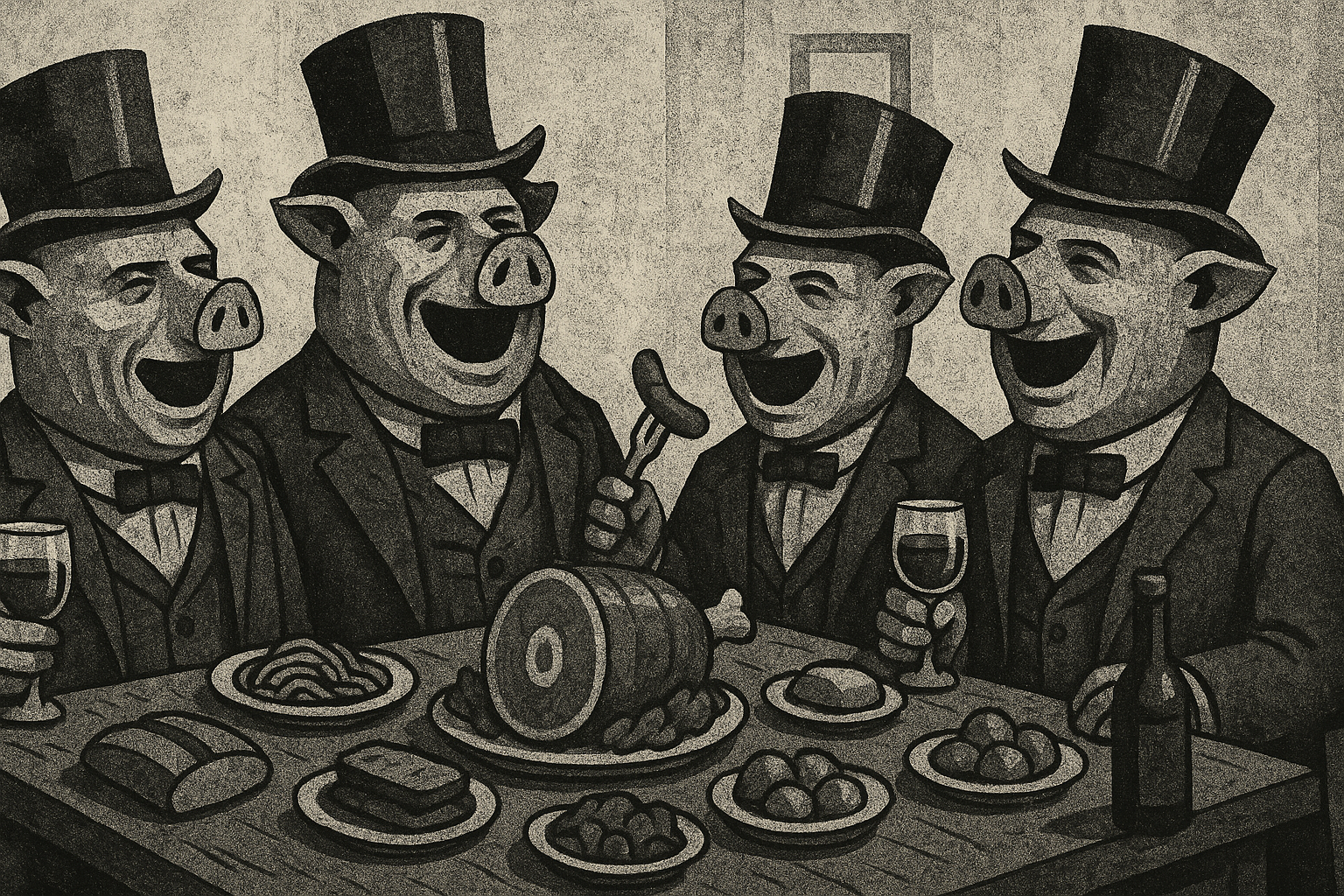
I had just closed 1984 when, while browsing my Kindle, I stumbled upon Animal Farm. The book was free to download, probably because it has entered the public domain, so I grabbed it on impulse. About 150 pages later, I found myself with another Orwell punch—shorter but just as sharp—pushing me to look at power from a different angle.
How I ended up with Animal Farm
I wasn’t looking for anything specific; I was just skimming my Kindle recommendations after 1984. Seeing another Orwell title available for free intrigued me. I took it as an invitation: if 1984 explores total crushing through surveillance and propaganda, Animal Farm promised to talk about a different moment—the one when a revolution begins with good intentions. The short format sealed it for me: I wanted to see what this fable would add to what I had just read.
Unlock the full article
Drop your email below and I’ll send you the rest right away.
I had just closed 1984 when, while browsing my Kindle, I stumbled upon Animal Farm. The book was free to download, probably because it has entered the public domain, so I grabbed it on impulse. About 150 pages later, I found myself with another Orwell punch—shorter but just as sharp—pushing me to look at power from a different angle.
How I ended up with Animal Farm
I wasn’t looking for anything specific; I was just skimming my Kindle recommendations after 1984. Seeing another Orwell title available for free intrigued me. I took it as an invitation: if 1984 explores total crushing through surveillance and propaganda, Animal Farm promised to talk about a different moment—the one when a revolution begins with good intentions. The short format sealed it for me: I wanted to see what this fable would add to what I had just read.
What the story really says to me
The animals organize, drive out the human farmer, and promise themselves a farm run by and for them. As the pages go by, some animals claim privileges, excuse their exceptions, and end up resembling those they condemned. This slippery slope is described without frills: the ideal frays, power concentrates, and the farm changes masters without really changing logic. I saw a warning here: even when the intention is noble, vigilance has to stay permanent because “temporary” justifications quickly become habits.
The mirror it holds up to 1984
Where 1984 shows a regime that has reached its endpoint, Animal Farm describes the gradual drift. The two books answer each other: one shows the arrival at the worst, the other the road that gets us there. Reading them back-to-back made me feel how much Orwell insists on the continuity between revolution and authoritarian slide. The gap between the initial promise and the final outcome is not an accident; it is the product of repeated concessions, often justified in the name of urgency or efficiency.
Closing Animal Farm after 1984, I keep in mind that Orwell’s critique does not target just one regime but the mechanics of power itself. Every revolution carries the temptation to reproduce what it fights. This idea now follows me when I read the news or hear about sweeping changes being announced: I pay less attention to the speeches and more to how power circulates, is checked, and gets accepted—sometimes without anyone noticing.