State of the Map 2026: nothing quite like the OpenStreetMap community
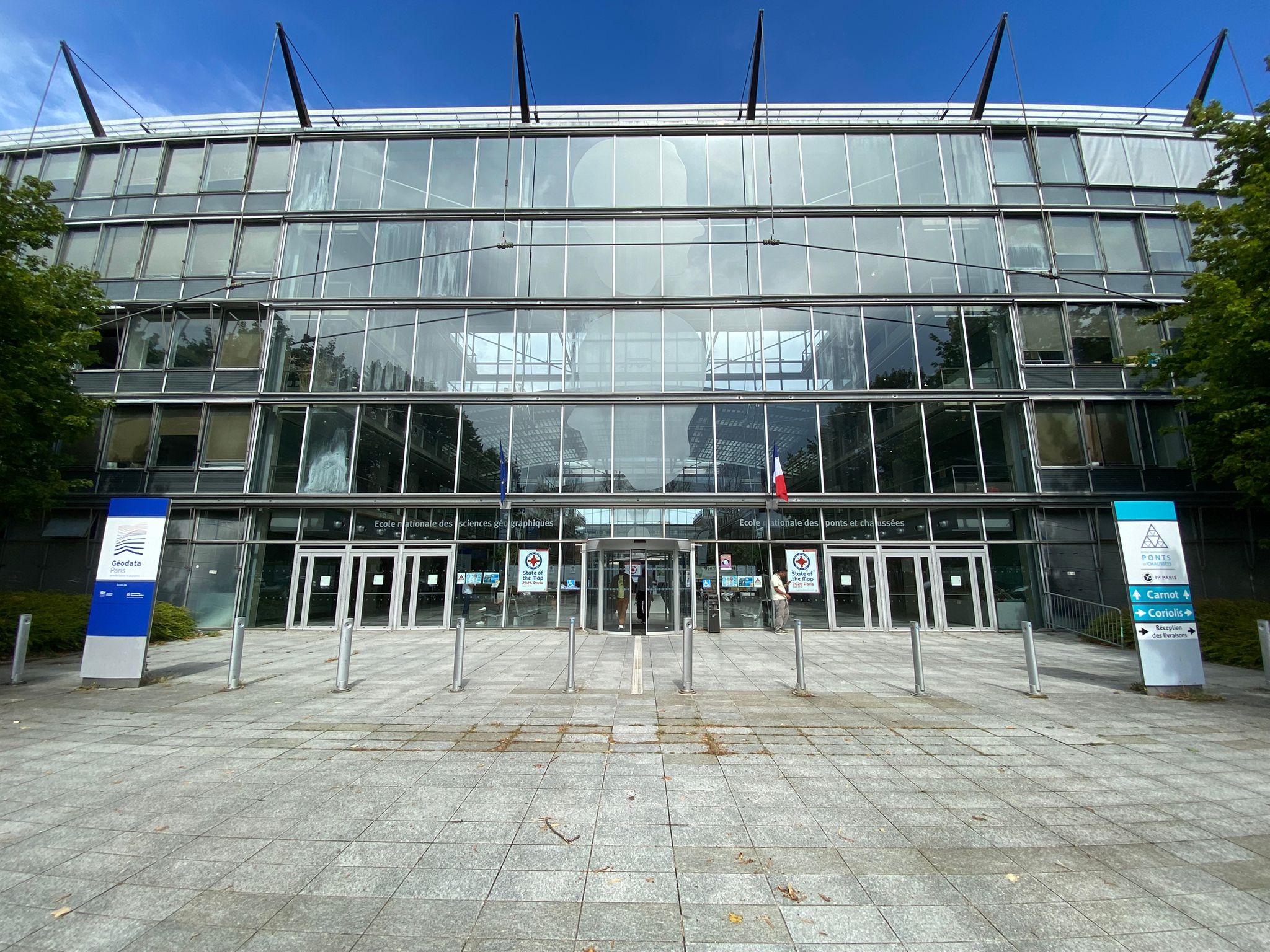
Last weekend, Paris hosted State of the Map, the worldwide conference of the OpenStreetMap community. It’s the yearly gathering of the people who, all over the world, contribute to this slightly crazy project: mapping the entire planet, by hand, as open data.
For the first time since the conference was created, the global edition took place in France. Hard to imagine a better reason to go — not just as an attendee, but as a sponsor. Like many tech companies, we rely heavily on open source to build our ecosystems, on the software side as well as the data side. Within the scope I manage, OpenStreetMap isn’t a “nice to have”: it’s a building block of our strategy and our architecture. The project, and all the tooling around it, genuinely matter to us.
Unlock the full article
Drop your email below and I’ll send you the rest right away.
Last weekend, Paris hosted State of the Map, the worldwide conference of the OpenStreetMap community. It’s the yearly gathering of the people who, all over the world, contribute to this slightly crazy project: mapping the entire planet, by hand, as open data.
For the first time since the conference was created, the global edition took place in France. Hard to imagine a better reason to go — not just as an attendee, but as a sponsor. Like many tech companies, we rely heavily on open source to build our ecosystems, on the software side as well as the data side. Within the scope I manage, OpenStreetMap isn’t a “nice to have”: it’s a building block of our strategy and our architecture. The project, and all the tooling around it, genuinely matter to us.
A project I’ve been following for a long time
OpenStreetMap has always held a special place for me. I’ve been contributing for years. The pace has varied — sometimes intense, sometimes on and off — but I’ve never stopped opening the editor to add a path, fix a way, or update something that had moved. A few years ago I even gave a short talk in India on exactly this: how important, and above all how simple, it is to become a contributor.
What still fascinates me is the sheer ambition of the project. Wanting to map the whole globe is absurdly oversized. And yet it works. More and more large companies, including on very demanding uses of geographic data, now build on OpenStreetMap.
Speaking at the opening
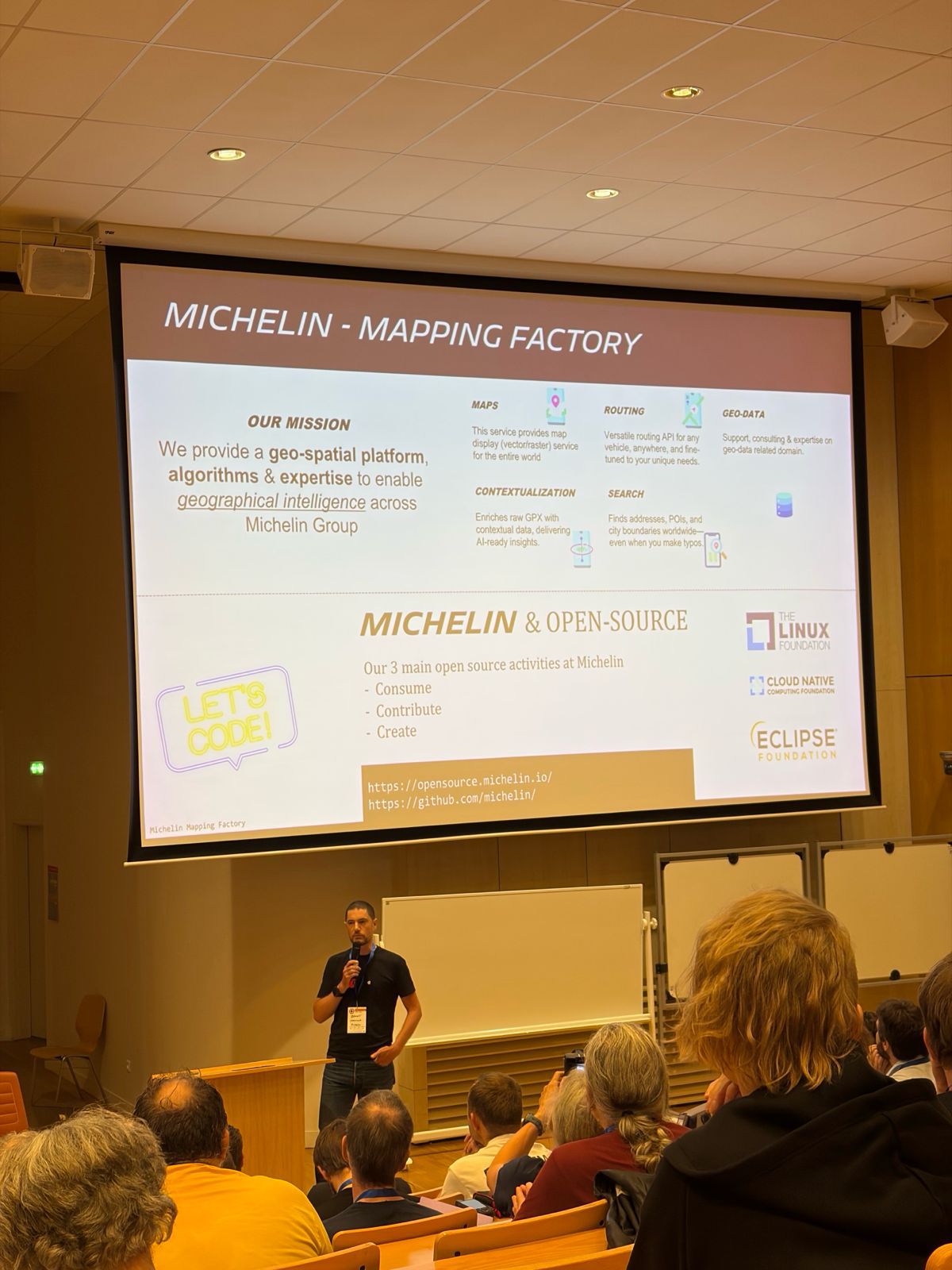
I had the chance to speak during the opening session. It’s a rare opportunity to talk, in front of that community specifically, about what we actually do at Michelin and within my team.
One regret
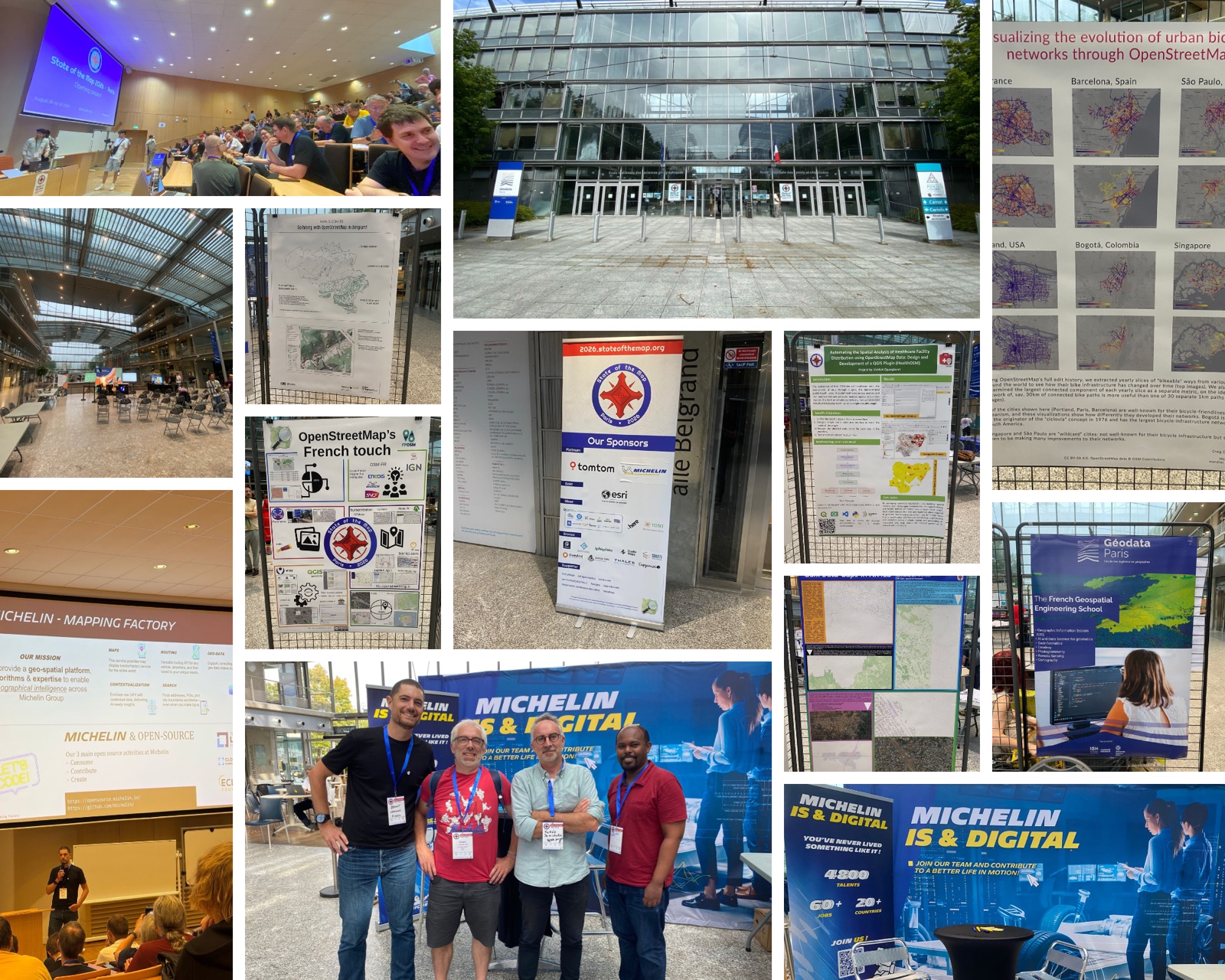
I left the conference with a single frustration: not having stayed longer. The people, the hallway conversations, the atmosphere — it was simply magical. Open source offers something no other tech conference can produce. People driven by passion, by a philosophical or political commitment, whose only goal is to contribute to the commons.
Thank you to every contributor, every attendee, and everyone who keeps this project standing.